
The idea seems logical: when a product or material enters the economy it should stay there – if it comes from below the ground. If it comes from nature it can return at a rate the eco-system can absorb it. The problem is, we are living in a society that has been weaving a complicated web of laws, rules and, taxes and fees since money was created. At the moment it just doesn’t pay. Ushering in the circular economy means making sure it pays by dismantling a few parts of this framework and replacing others. But where to start? Are there existing points of control that can be adapted to stimulate circularity? This article identifies a few essentials. Continue reading “A circular economy needs a framework of rules and financial incentives to work”
Category: Circular Economy
The economics of the circular economy

Economic Fiscal Reform calls for the economic system to align with the twin purposes of preserving and indeed restoring the environment whilst providing a standard of living for citizens. Up to now, these purposes have not been central to the way economics has been practiced. We are, however, facing a pressing situation: soil degradation, atmospheric warming and mineral depletion are forcing us to rethink. The idea of the circular economy – where biological and mineral material circulate in the economy without being deposited – is gaining ground. Continue reading “The economics of the circular economy”
Case study: round-suburb walk starts to wake indigenuity
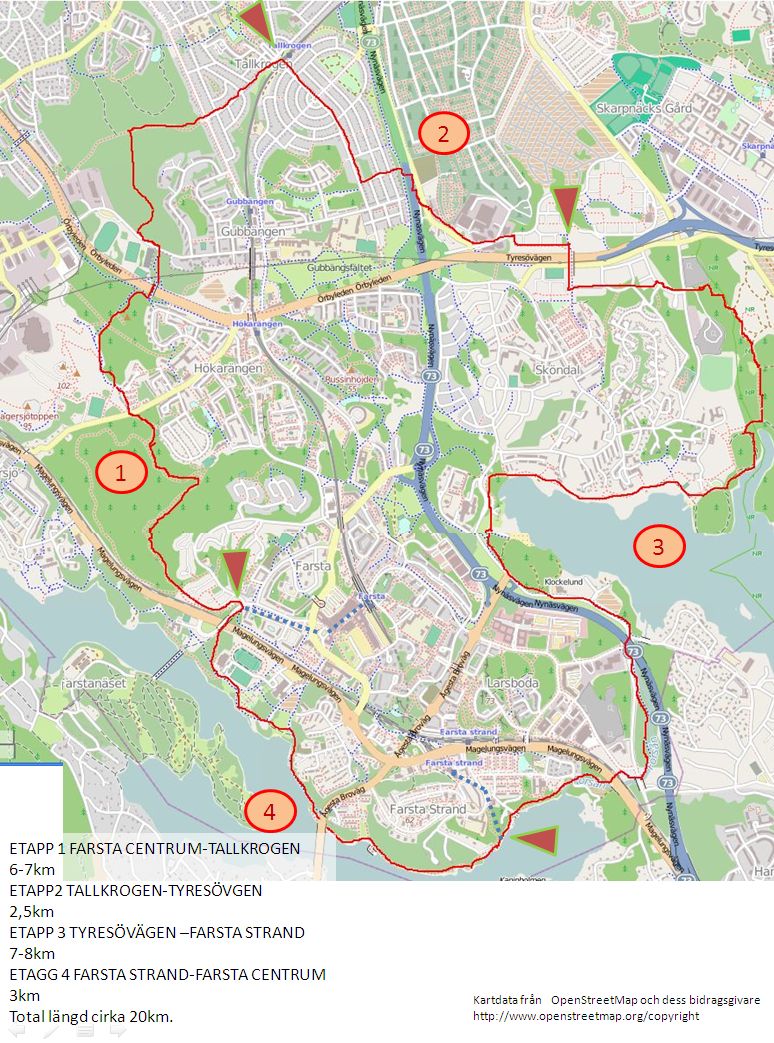 PLACE: Stockholm, Sweden
SITUATION: The local cultural center, with its youth theatre, music school and library is taking on a new challenge: to find creative ways to bring local citizens closer to sustainability.
Like charity, sustainability begins at home. Although for most people in a suburb, home functions as a place to sleep and be whilst away from work. Yet people need to engage as Stockholm is getting ready to embrace a fossil-free future. It intends to be fossil-independent already by 2030. Walking cities are surely in that vision.
FRAMING QUESTION: How can a suburb creatively engage residents in a way that fosters a sense of place, a sense of the challenges involved as the city moves away from fossil fuel dependence?
SOLUTION: Create a round suburb walk, publish a map and connect the map to a web-based discussion forum.
Continue reading “Case study: round-suburb walk starts to wake indigenuity”

