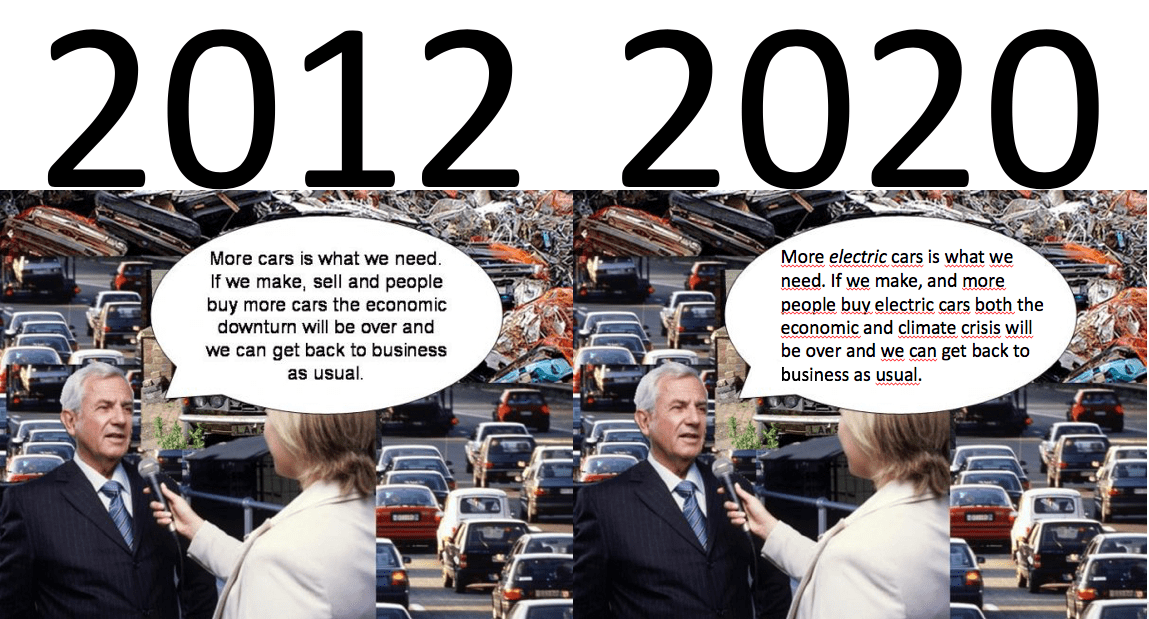
Cars are the answer to everything (sarcasm warning)


The behavior of complex systems such as the global environment, economy, and society are notoriously difficult to predict, especially when relying solely upon human cognition. Experts always see things from their perspective and can rarely factor in the whole picture. One organisation is looking to by-pass this human cognitive bias with AI. International AI firm SparkBeyond has set itself the task of saving the world by proposing ways forward post-Covid. Spark Beyond’s ideation Machine integrates the world’s largest collection of algorithms, and bypasses human cognitive bias to produce millions of hypotheses in minutes. It expands the scope of unique insights by auto-augmenting data with a rich network of data sources, including – but not limited to – news sources, scientific research, patents, and clinical trials, as well as geographic, census and financial data.
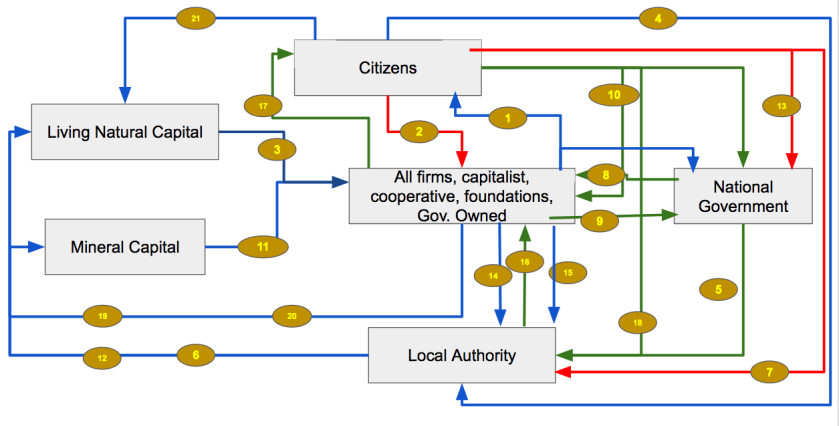
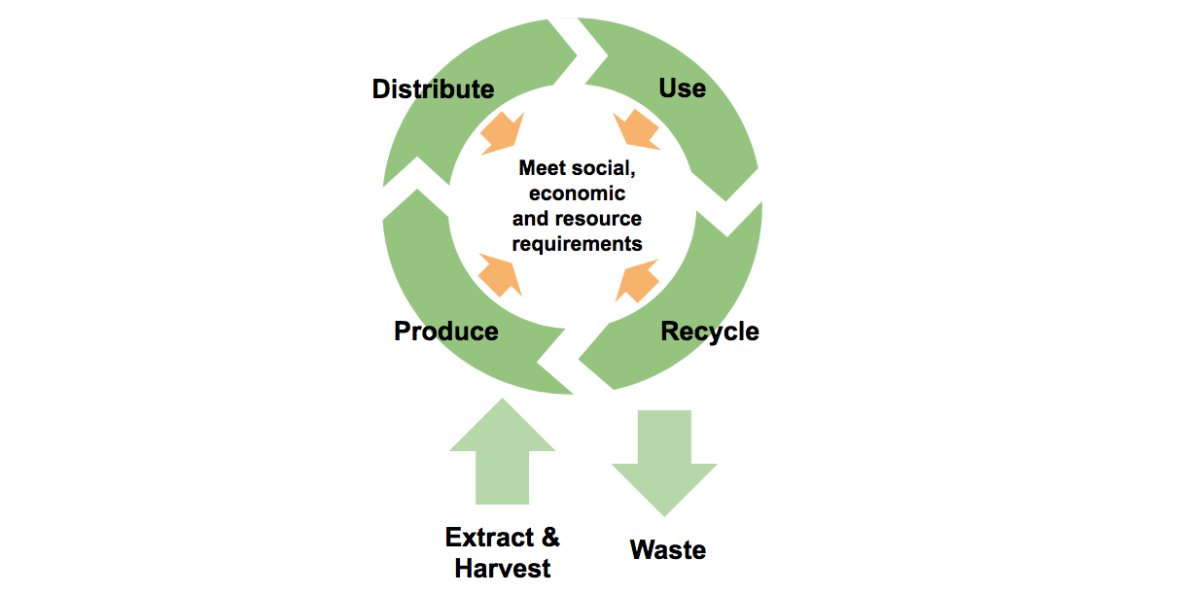
Continue reading “AI machine to help policy makers post-Covid”A circular economy is vastly different from a linear economy. When it comes to the resources that drive the economy, a linear economy is extractive whereas the circular economy is regenerative of its material source. The current way we run our economy is using resources up at an ever-expanding rate. Before resource shortages overturn the economy we need to transition to the circular use of materials. But how do we get to the circular model? This article takes a high-level systems analysis approach to explore possible pathways, and hones in on the role of local authorities.
Continue reading “Why regional authorities are the key to a circular economy”New research, using existing models, data, and studies will analyse, through a systems approach, what beneficial socio-economic changes may be under various scenarios that have emerged during Covid, applicable from December 2020 right up to 2050 and beyond. Further, it will assess whether it is possible, through policy changes, financial and other investments, to leverage these changes in pursuit of reducing the risks of climate change and of future pandemics. The proposed focus will be global, locations and regions chosen by stakeholders. The results should support and may encourage the development of similar initiatives worldwide.
Corona has exposed many weaknesses, including our lack of health care system capability. It has also opened up some possibilities for permanent changes for example as people start to appreciate the reduction in noise, how the air is better, etc.
Covid has shown us that we are all in this together. It is as a whole we can progress, to quote the Sustanable Development Goals , no one left behind. The current system is fundamentally flawed at a basic level because its very construction leaves people behind and obfuscates how people – including the organisations we have created -really are in this all together.
Continue reading “The Continuity Agency – a new government role post Covid”Three overwhelming global disasters are facing us – climate change, the Coronavirus pandemic, and unknown, transformative socio- economic changes in the Coronavirus aftermath. Some of these socio-economic changes, like the reduction in air travel, if sustained, will have positive effects in support of climate change mitigation and adaptation.
Continue reading “Covid-19: the disconnects exposed and good things to keep”Most of the energy used in a Swedish home is for heating: 50% heating the house and 25% for warm water. Electricity need not be generated for this task.
Maybe if we start from the idea of the green, circular, sustainable home we can create a new vision for the future?
I hope the diagram stimulates your thoughts! If you’d like the Swedish version it’s here.
Here are the main elements of a circular house:
Writing on Greenbiz.com Joel Makower makes a strong case for including measures to prevent climate destabilisation in the current response to Corona. Specifically, the bailouts being requested by the airlines, the fossil fuel industry and industrial agriculture should be a chance to put the economy on the right footing.
Continue reading “CRAG – the continuity agency idea – and Joel Makower’s case for a climate & Covid response”… we need to be talking unapologetically about climate, the clean economy, renewable energy, resilient food systems, sustainable mobility, the circular economy and the Sustainable Development Goals with more vigor than ever.
Joel Makower
The Corona virus pandemic begs us to explore next steps to create a more resilent economic system.
Lessons about the economy, once hard to take in during a time of stability, suddenly become glaringly obvious as countries around the world struggle to respond to the Corona virus pandemic.
Continue reading “A proposal for the resilient economy in the adjacent possible”The rapid infection wave sweeping across the globe is a stark reminder of that which I suppose most of us, or at least readers of this blog, have realised: our current system lacks resilience and is performing badly to expections.
Now is not the time to get into theoretical discussions and fight about socialism verses capitalism. The situation has gone too far. We need to save what we can.
A team at the Swedish think-tank TSSEF.se is working on a proposal to add some functions to a national economy to at least give it a minimum level of resilience.
The idea is based on the concept of control engineering: a mechanical system that is not performing to expectations can be improved by adding smart components and an additional layer of digital control: feedback sensors connected to a computer connected to actuators that control the system.
Readers of this blog are invited to read and comment the first unofficial version by downloading it here.
Or use the comments form on the contact pages for your feedback.