Opinion: the biggest business opportunity on the planet is Peace

Stephen Hinton 2016
Photo: Maj-Lis Koivisto

What the business of business is has long been debated. Put simply people might say businesses provide services that people need in a way that employs people and gives them wages so they can buy what they in turn need.

If that is the case, it isn’t working very well is it? Zero hours contacts, wages below minimum, and jobs outsourced all mean that people don’t have money in their pockets to buy the necessities. That depresses the market, reduces demand and that reduces business opportunities. And it looks as if people are stressed and depressed – even those with jobs and money. Could it be that business is actually missing what people actually want? Continue reading “Opinion: the biggest business opportunity on the planet is Peace”

Opinion: Put a price on phosphorus now and drive circularity

Stephen Hinton 2016
Photo: Maj-Lis Koivisto

In My Humble Opinion:

Put a price on phosphorus now to create a circular economy before it is too late

I’ve been thinking about some interesting feedback on food prices. At a recent meeting, I presented my case: dividend-bearing import surcharges on scarce substances can encourage reuse and recycling. The received opinion is that that anything that makes food more expensive cannot be done. And shouldn’t. Continue reading “Opinion: Put a price on phosphorus now and drive circularity”

The Barsac Declaration – how to save lives and the environment

Some time ago, a group of scientists, dieticians and other concerned individuals got together to ask themselves if there was a diet that was optimum for health and for the environment. Their concern was mostly around the state of the nitrogen cycle in Europe as well as health issues from over-consumption of animal products.

The idea of a declaration of what was needed for a healthy diet and environment was developed on 29 October 2009 at Barsac, France at a workshop of experts convened by the EU NinE and BEGIN programmes. The works has come to be known as the Barsac declaration. Continue reading “The Barsac Declaration – how to save lives and the environment”

Do mutual aid networks mean new life for local economies?

Henry George, perhaps the best-known economist from the end of the US Wild West era, pointed out that with progress comes poverty. This is ever more true today. Communities, once places that were home to people with the skills and tools to provide most of what  you needed, from midwives to undertakers, from roofers  to foundation layers, are now mere dormitory units serving in a global network of corporations. As the fortunes of corporations change, and their hunt for cheaper labour takes them offshore, it can happen that dormitory areas are thrown into poverty. Poverty, then, is the other side of the coin of progress. And most seem to accept it.

But attitudes are starting to change. People are starting to understand that living local economies can withstand the whims of corporate relocation. People are starting to see that helping each other is a better deal than finding ways of getting people to pay for literally everything in a monetarized world rapidly going nowhere.

Continue reading “Do mutual aid networks mean new life for local economies?”

Global warming not stopped

According to NOAA, 2014 broke temperature records:

  • 2014 was the warmest year across global land and ocean surfaces since records began in 1880.
  • The global average ocean temperature was also record high, at 0.57°C (1.03°F) above the 20th century average of 16.1°C (60.9°F), breaking all previous records.
  • Average land surface temperature was 1.00°C (1.80°F) above the 20th century average of 8.5°C (47.3°F), the fourth highest annual value on record.

The data show that global warming has not slowed, as some have proposed. Says Bob Ward of the Grantham Research Institute on Climate Change: “The record temperatures last year should focus the minds of governments across the world on the scale of the risks that climate change is creating, and the urgency of the action that is required, including an international agreement to strongly reduce greenhouse gas emissions, to be reached at the United Nations climate change summit in Paris in December 2015,”

READ MORE article on BBC News

Peace Day 21 September

Do check out what is happening on the 21 September in your Area.

I will be taking part in celebrations in Stockholm, Sweden, sharing the work being done by the Humanitarian Water and Food Award-

Come and join us at Debaser! (more details to come)

debaserlogdebaser

The video below explains the day.

http://www.youtube.com/watch?v=AnlF-Lp7sQY

See the video featuring Peace Ambassador Prem Rawat

And a final reminder.

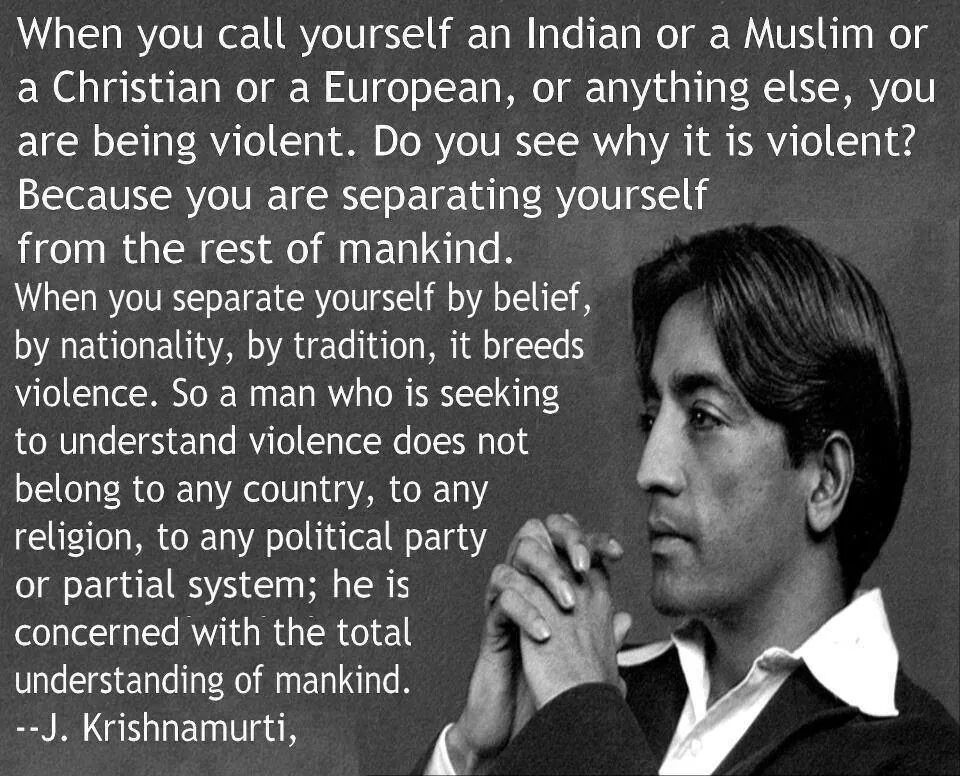
Peace is a feeling. It is inside you. Peace starts now. In this moment

KRishnamurit


MLKING

CSR means contributing to a world where everyone is fed

To make a real difference in the world, corporations could start supporting food and water security. If everyone contributed to create a food secure world, entrepreneurship, prosperity and then ultimately peace would flourish.

Volunteers for organisations working with food security, like the Water and Food Award, are often told that; “our business isn’t in water and food” so we are not interested in supporting your cause. Continue reading “CSR means contributing to a world where everyone is fed”

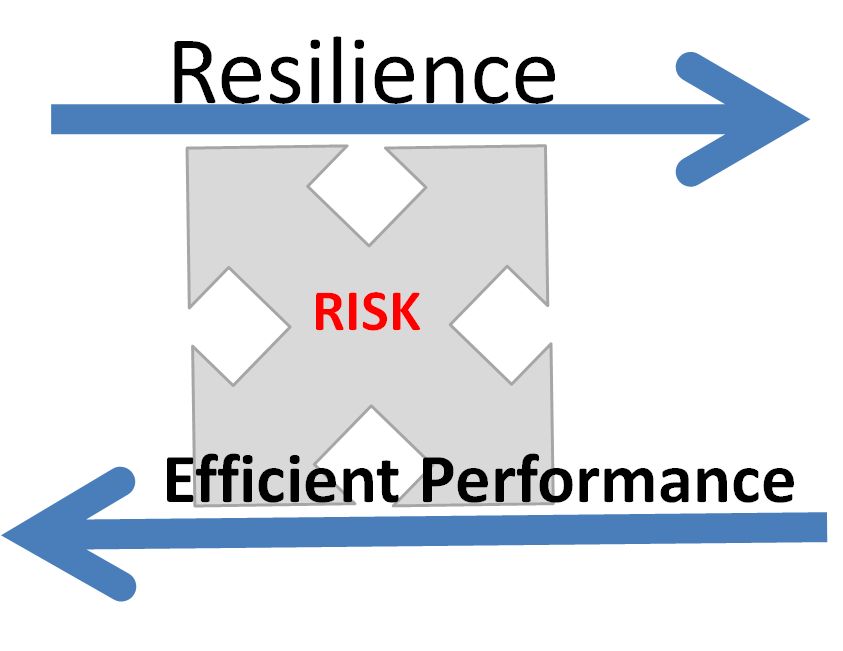
Pushing the risk envelope

This month, the subject of risk and how we see risk has become even more apparent as the IPCC, the UN’s panel on Climate Change, releases its latest reports.  Our very way of life is threatened according to how you read the risk estimates. Standing back and taking a cold look at the situation, many would ask themselves; “why are we taking such a risk?” The same question has been asked of Easter Islanders way back; ” how come they chopped down the last tree?”. (According to popular stories, the population collapsed and they cannibalized each other.) Continue reading “Pushing the risk envelope”

Put a price on phosphorus to save our food production and the Baltic

A recent report issued by the Swedish Sustainable Economy Foundation proposes putting a fee on phosphorus and nitrogen imports in order to stimulate the economy to run clean and protect the Baltic Sea. The Foundation calls it the Flexible Pollutant Fee Mechanism (flex fees). Although a fee will make some food more expensive, paradoxically the Foundation claims that the economy will be stimulated. More jobs, green ones at that, will be created as the Foundation proposes that the fees collected are returned to the economy stimulating the demand for green technology and new jobs. Compared to Cap and Trade, the Foundation sees flex fees as being a more effective way to price pollution.

Continue reading “Put a price on phosphorus to save our food production and the Baltic”

The changing of business paradigms

60-20


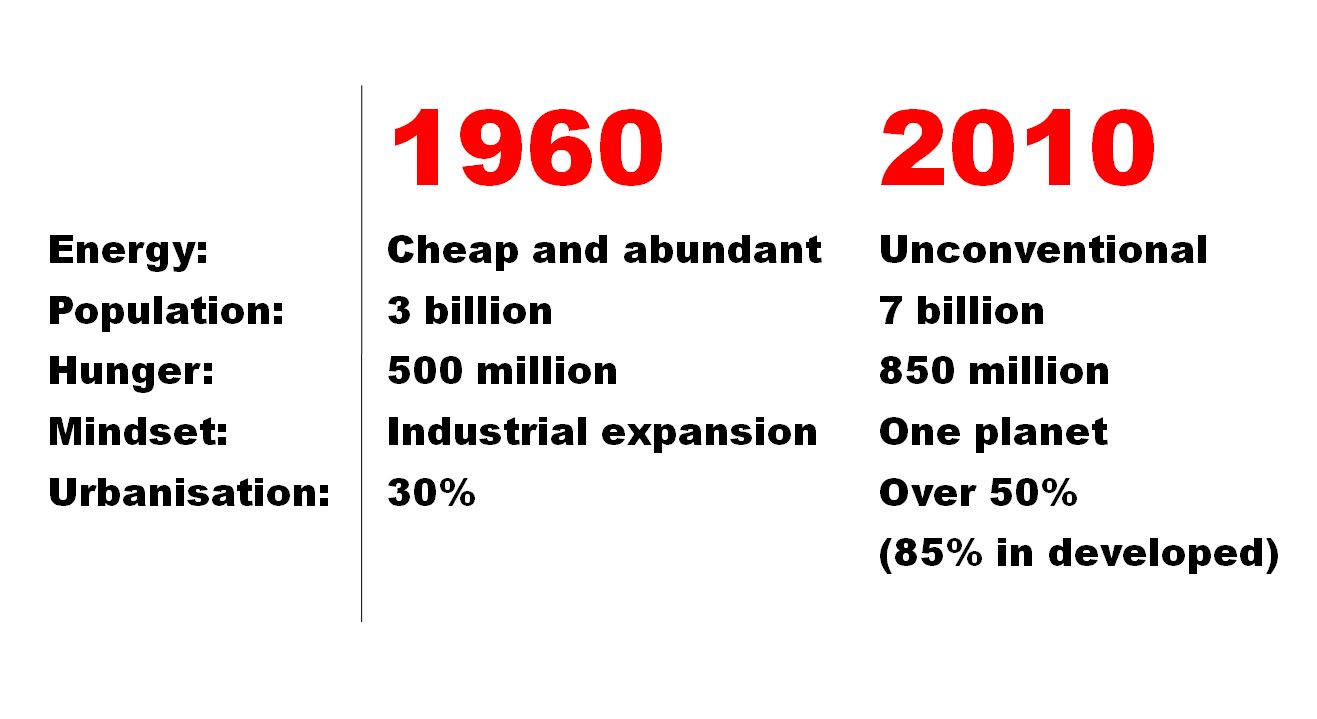
Most ideas about what business is come from the 1930’s onwards when the idea of corporation, limited liability, first appeared.

But times change. The table above, from our CSR webinar, shows just how much has changed in 50 years. Maybe it is time to review the deep underlying paradigms about what business actually is? Continue reading “The changing of business paradigms”