This is why we need a philosophy of the circular economy.

We need a philosophy because we need help and guidance to a way of living that is peaceful with the Earth and coming generations.

Circular economy seems to be a more technical subject – about how we circulate atoms and how the monetary system works with that circulation. We might ask ourselves why have we embarked on describing the philosophy of the circular economy?

The circular economy for us is one of the plausible off-ramps away from material-use expansion and economic growth. It is therefore salient to major changes in our lives coming up. Now: our emotions are highly connected to our beliefs, and hearing about the need to transition away from fossil fuels, and feeling unsure of the future, it is likely that talk of this transition will wake up many emotions.
Read more on Substack.

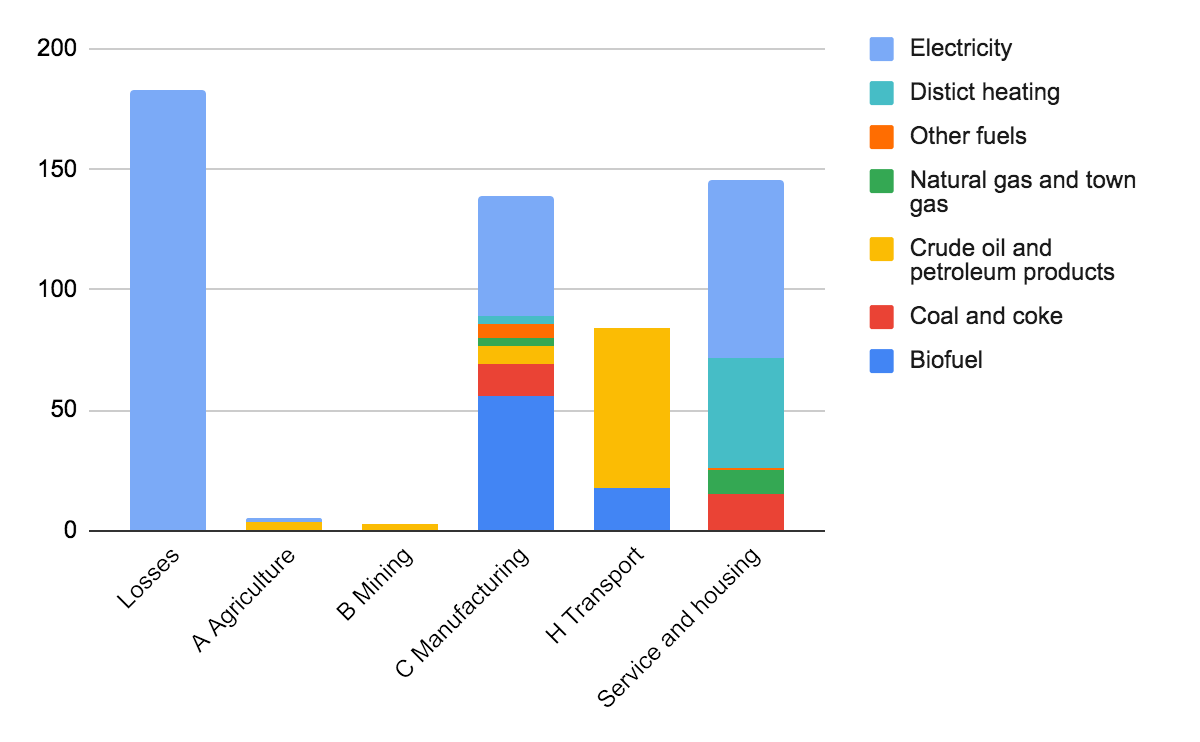
Sweden’s strategy to net zero: a look at the numbers

it is deeply instructive to take a look at Swedish numbers to see how they match the vision of Net Zero. An essay:

Sweden wants to be world-leading in the race to net-zero. Or at least that is the rhetoric you can find on official websites. For those interested in having an actual climate-safe future, it is deeply instructive to take a look at the numbers to see how they match the vision.

Continue reading “Sweden’s strategy to net zero: a look at the numbers”

Why the circular economy needs a new monetary system

This explainer video gives non-economists a view on how the monetary system works – we use a model called bathtub economics. The video also connects bathtub economics with the circular economy and points out a few areas where we need change if we are to go circular.

Getting material to go round the money-go-round

Opinion: reporting hides what is going on with finite resources

One thing you need to understand: the production apparatus (capitalism) has been battling for ultimate control over resources since the industrial revolution has begun. It has used its money to influence politics, rule making and everything else. It has won and it is a total disaster.

Stephen Hinton 2016, photo Maj-Lis Koivisto

One thing you need to understand: the production apparatus (capitalism) has been battling for ultimate control over resources since the industrial revolution has begun. It has used its money to influence politics, rule making and everything else. It has won. This is disastrous for them and for us as workers and citizens. of the Earth. To understand why, you need to look into their materiality .

Continue reading “Opinion: reporting hides what is going on with finite resources”

Urban symbiosis and the nature-based economy

Planning a city or town to maximise symbiotic relationships between major flows of bio-material, water, heat and energy offers a way forward to living without fossil fuels. This video explains how it all hangs together.

Continue reading “Urban symbiosis and the nature-based economy”

Gardens of Regeneration and Peace

Now home to 50% of the world’s population, expected to rise to 65%, cities are driving the development of our modern culture. But we are at a crossroads. Following the formation of the UN and now the broad agreement on the Sustainable Development Goals (SDGs) we are on our way to a world in peace. Several of the SDGs lay the foundation: eliminating hunger, poverty, homelessness. However, as our awareness of the need to transition to sustainability grows, so continues the degeneration of our natural resources and our societies. The trend is not halting. Humanity’s  -our – shared project, true peace, needs everyone’s involvement and understanding.

Continue reading “Gardens of Regeneration and Peace”

Industrial system disconnect #1. The car

A recent post outlined a system map of the industrial society. One reason to map things out is to give you helicopter perspective where you might be able to better see where the system is not working. This post takes on one of the obvious reasons the industrial society is still not on track for the Paris agreement: the car.

Continue reading “Industrial system disconnect #1. The car”

Industrial society system map

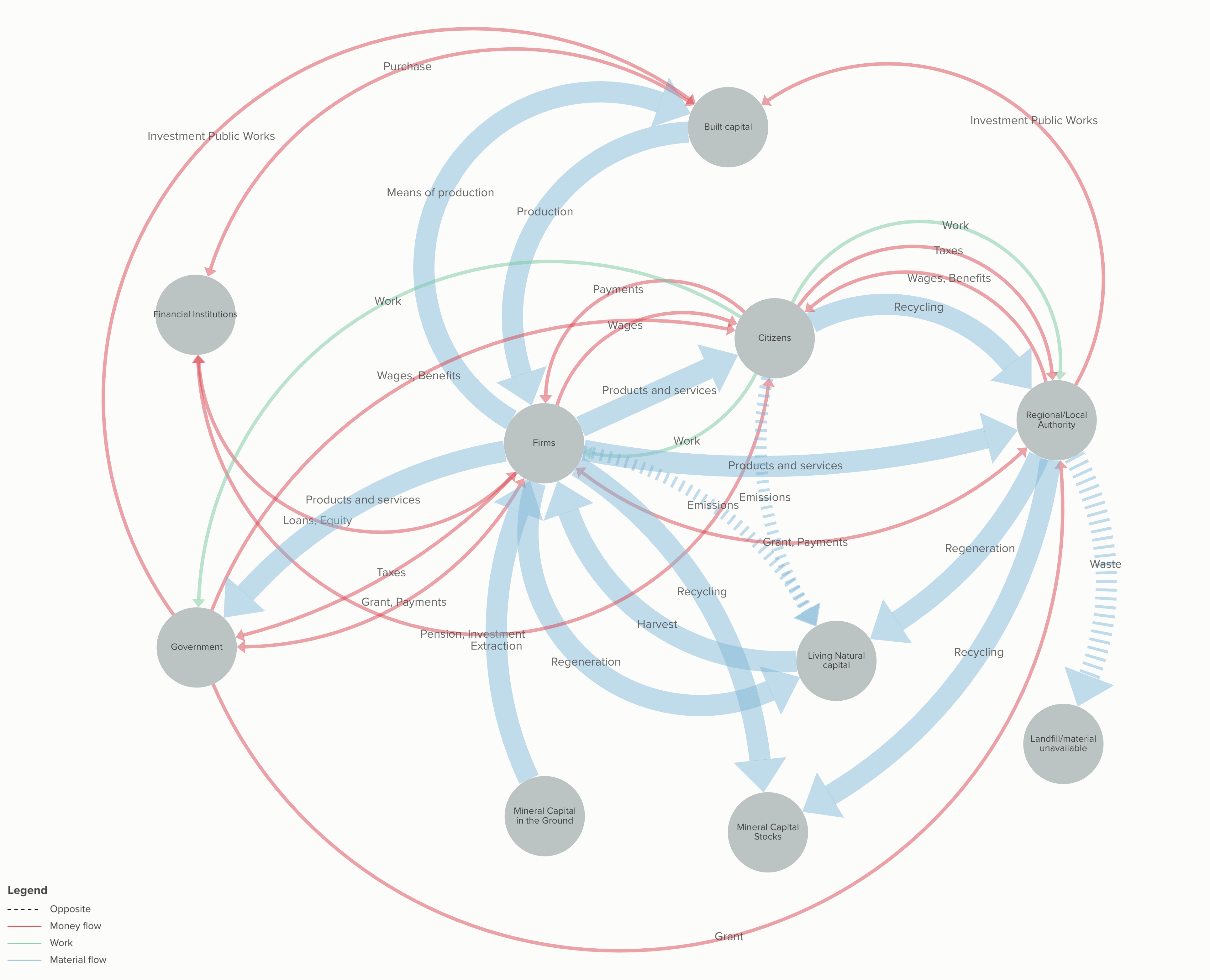
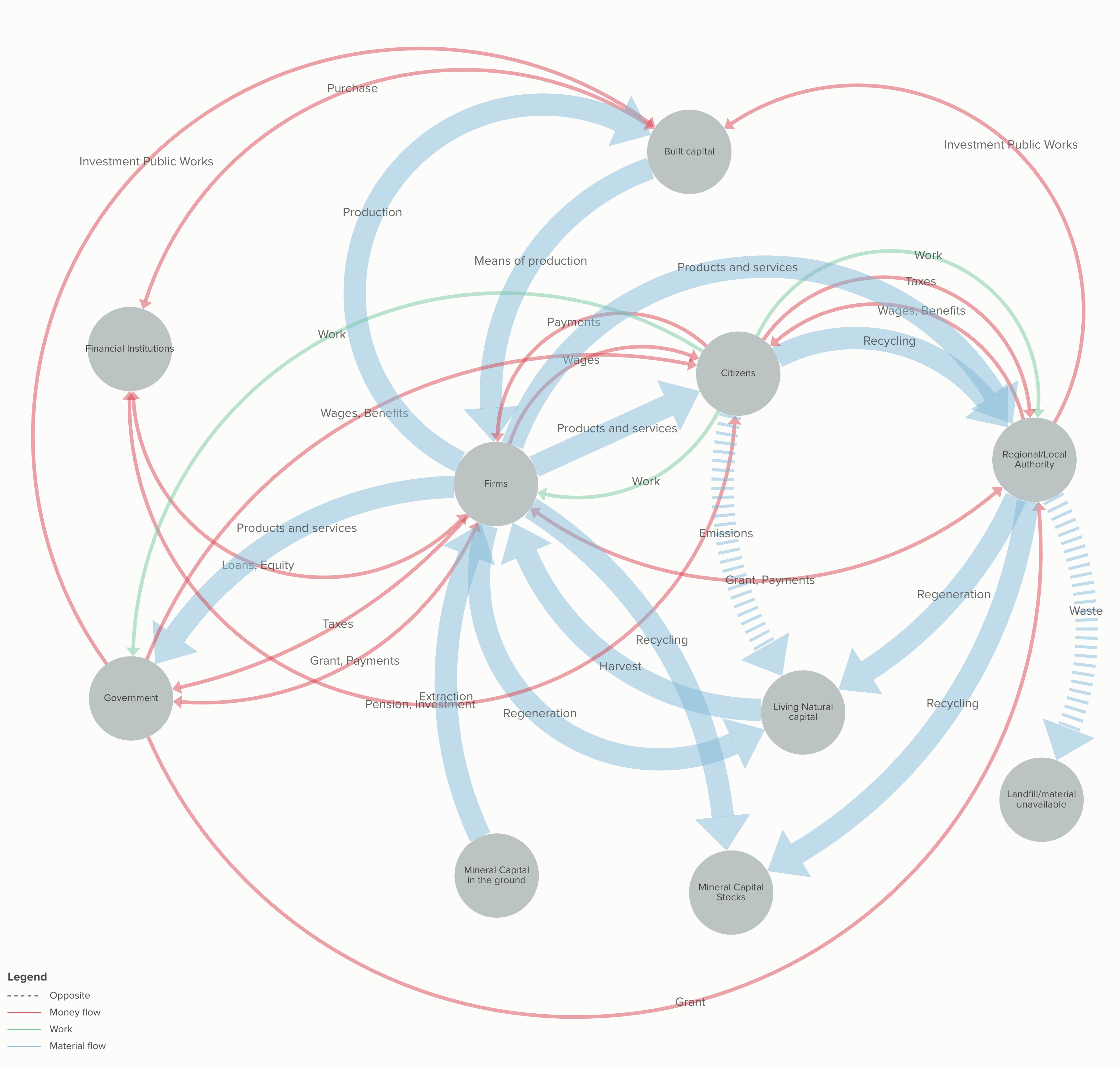
Highest level system map. Click to enlarge.

Above is the latest version of my system map, done in KUMU.IO.

The basic elements of the map

  • 11 elements (e.g. government, natural capital stocks, built capital, etc)
  • 31 connections (e.g. flow of resources to firms, waste to local authority)
  • 3 types of flow: work, money, resources
Continue reading “Industrial society system map”